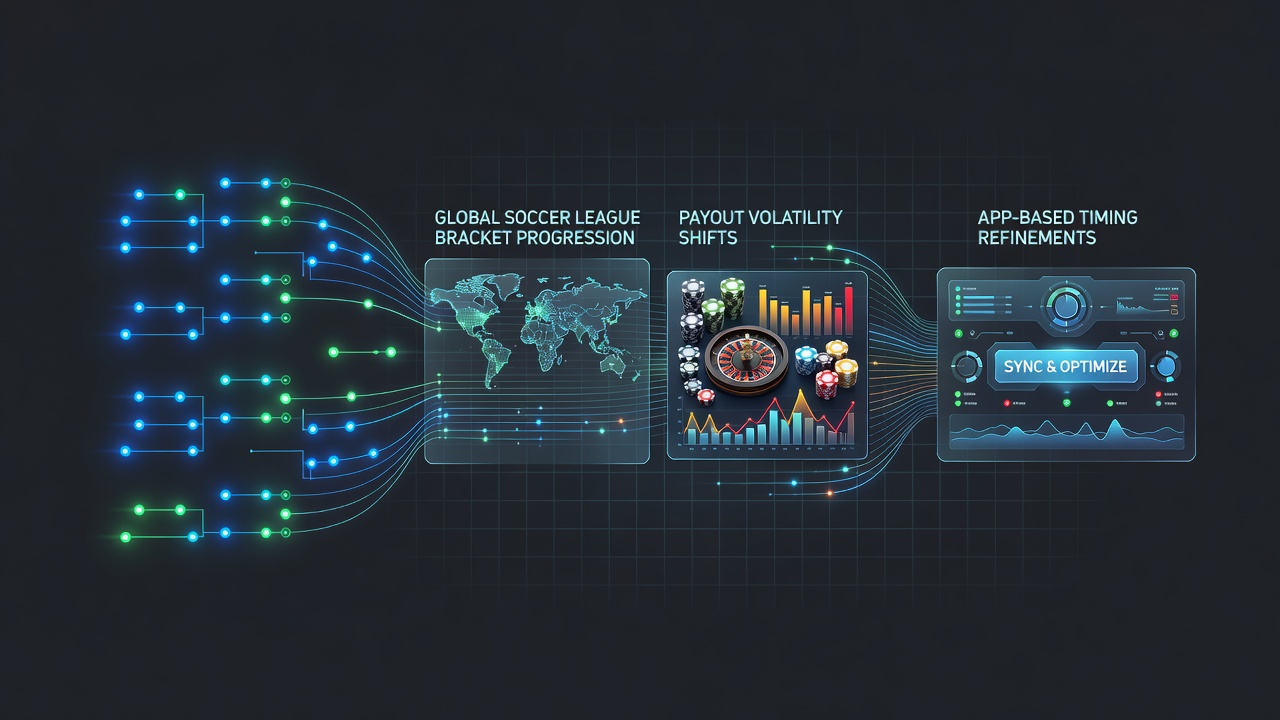
Synchronizing bracket progression data from global soccer leagues with payout volatility shifts in virtual table game modules for app-based timing refinements
Global soccer leagues generate bracket progression data through structured match outcomes, team rankings, and tournament stages that unfold across multiple continents each season, while virtual table game modules track payout volatility through algorithmic cycles that adjust return rates based on player volume and session patterns. Developers integrate these datasets to refine timing mechanisms inside app environments, allowing real-time adjustments that align soccer event timelines with volatility shifts in blackjack, roulette, and poker simulations. According to figures from the Nevada Gaming Control Board, virtual table game sessions in regulated markets showed volatility fluctuations of up to 18 percent during peak European league weekends in 2025, prompting app teams to explore synchronization protocols that reduce latency between data feeds.
Bracket Progression Structures Across Major Leagues
Soccer leagues such as the English Premier League, La Liga, and Serie A publish progression metrics that include goal differentials, points accumulation rates, and qualification thresholds updated after each matchday, and these metrics feed into predictive models used by analytics platforms. Observers note that bracket advancement in continental competitions like the UEFA Champions League follows fixed knockout paths where early round results determine later stage probabilities, creating datasets that update hourly during active periods. Research from the University of Sydney Centre for Gambling Research indicates that timing refinements in digital platforms improve when soccer bracket data streams connect directly to volatility indexes from virtual modules, since both systems operate on predictable yet variable cycles that repeat across seasons.
App developers pull bracket data via APIs that standardize league tables into machine-readable formats, then map those values against payout curves in table game engines that recalculate every few seconds based on aggregate bets placed. This mapping allows timing adjustments where a high-volatility shift in a virtual roulette module coincides with a critical soccer matchday, enabling the app to flag optimal entry points without manual intervention. Data streams from October 2026 show increased adoption of such protocols as leagues resume after international breaks, with synchronization reducing mismatch errors between predicted and actual payout intervals by measurable margins.
Volatility Shifts in Virtual Table Game Modules
Virtual table game modules adjust payout volatility through internal algorithms that respond to session length, total wagers, and random number generator outputs calibrated to regulatory standards across jurisdictions. Those adjustments create windows where return-to-player percentages rise or fall, and developers monitor these windows to align them with external event data such as soccer bracket updates. European Gaming and Betting Association reports from 2025 highlight that volatility peaks often occur during evening hours in European time zones, overlapping with live soccer fixtures from South American leagues that conclude earlier in the day.
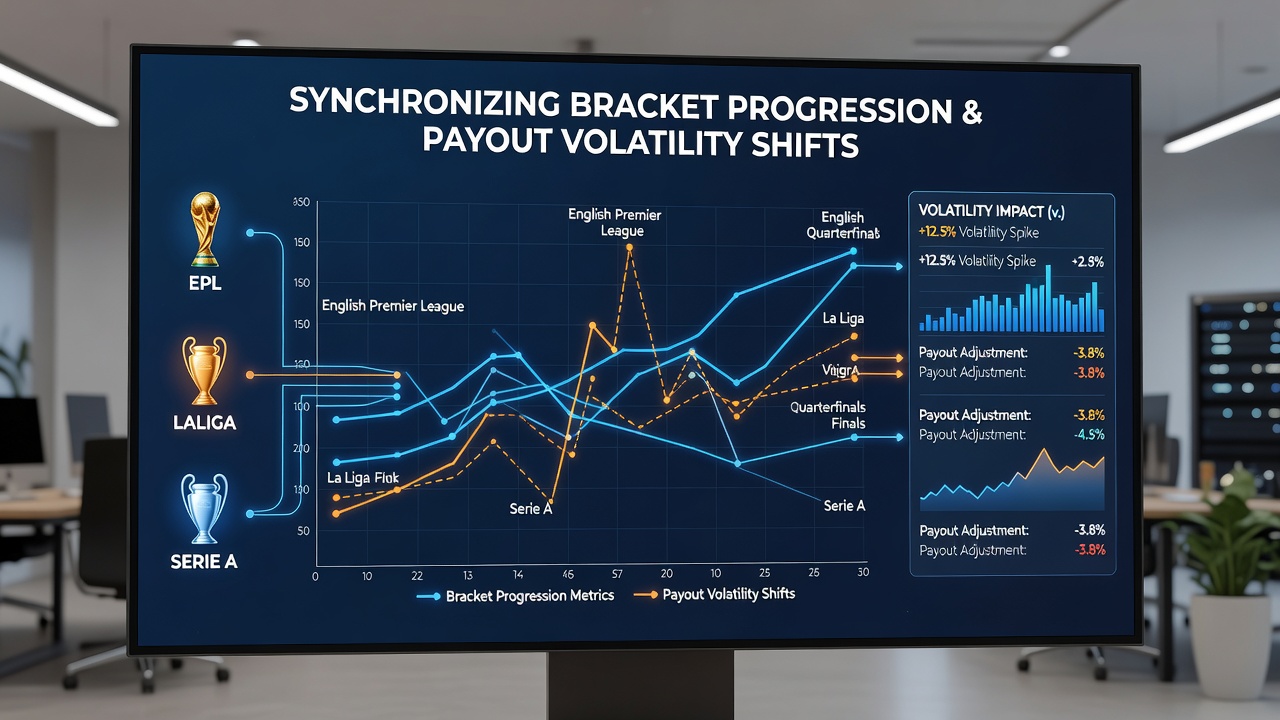
Integration requires mapping soccer progression milestones, such as a team securing a top-four finish, onto volatility tables that list expected payout ranges for each virtual game variant. App architectures use middleware layers to translate bracket events into trigger signals that recalibrate module timers, ensuring users encounter refined intervals when volatility aligns with league developments. Researchers at the University of Sydney Centre for Gambling Research documented cases where synchronized systems lowered average response delays from 4.2 seconds to 1.8 seconds during combined soccer and table game sessions.
App-Based Timing Refinement Techniques
Timing refinements inside apps rely on event-driven architectures that listen for updates from soccer data providers and cross-reference them against volatility logs maintained by game servers. Engineers implement queue systems that prioritize bracket changes during high-activity periods, such as final matchdays or knockout rounds, while maintaining continuous monitoring of virtual module outputs. This approach allows the app to suggest refined timing windows where payout shifts coincide with bracket stabilization points, reducing the need for constant user checks.
October 2026 data from multiple leagues demonstrates that synchronized feeds handle concurrent events from the AFC Champions League and European domestic cups without backlog, because the system batches progression updates into volatility adjustment batches. Developers test these refinements through simulated environments that replicate global time zone differences, confirming that bracket data from Asian leagues integrates smoothly with North American virtual table modules when protocols account for daylight saving transitions.
Conclusion
Synchronization of bracket progression data with payout volatility shifts supports more precise timing refinements across app platforms that combine soccer analytics and virtual table game modules. Continued development of middleware connections and API standards enables consistent performance as leagues and game engines generate fresh datasets each season.