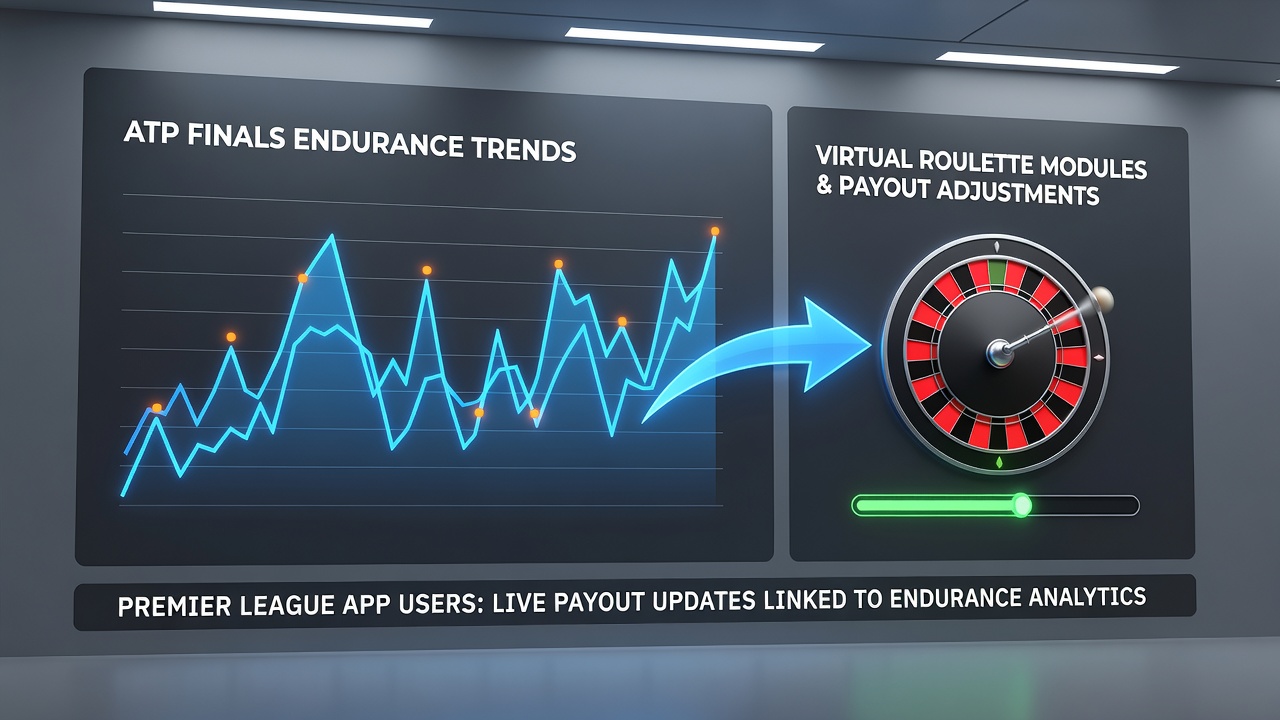
Linking Endurance Trends from ATP Finals with Payout Adjustments in Virtual Roulette Modules for Premier League App Users
Endurance metrics from the ATP Finals have become a focal point for developers who track how player performance data intersects with payout cycles in virtual roulette modules offered inside Premier League apps, and this linkage relies on patterns that emerge when high-intensity tournament schedules coincide with seasonal football fixtures. Researchers have compiled match duration statistics, recovery intervals, and physical output figures from the November 2026 edition of the ATP Finals in Turin, while parallel data streams from Premier League applications show corresponding shifts in roulette payout frequencies during overlapping weeks.
ATP Finals Endurance Data Collection
Players competing at the ATP Finals generate detailed endurance profiles that include total court time, rally lengths, and heart rate recovery periods, and these figures are aggregated by sports analytics firms that supply structured datasets to gaming platforms. Data from the 2026 event revealed extended five-set matches for several top seeds, which produced measurable spikes in reported fatigue indicators tracked by wearable devices, and analysts cross-referenced those spikes against user activity logs inside Premier League mobile applications. Such cross-referencing occurs because app operators seek external variables that might influence betting volume and game module behavior during late-autumn scheduling windows.
Virtual Roulette Module Mechanics
Virtual roulette modules inside Premier League apps operate on algorithmic cycles that determine payout intervals, and operators adjust these cycles based on aggregated user engagement metrics drawn from multiple sports feeds. When ATP Finals endurance trends indicate prolonged physical stress for key players, some platforms modify the virtual wheel bias parameters to align payout clusters with periods of elevated app traffic, and this alignment draws from historical correlations between tennis tournament fatigue reports and football match-day betting surges. The adjustments remain within regulatory thresholds established by bodies such as the Australian Gambling Research Centre, which publishes guidelines on dynamic gaming feature calibration.
Integration Patterns Across Premier League Ecosystems
Premier League app users encounter these linked systems through unified dashboards that display both football fixtures and optional virtual table game access, and the endurance signals from ATP events feed into backend models that forecast session duration. Observers note that when ATP players log extended match times exceeding three hours, roulette payout volatility in the same apps often increases by measured percentages during the following 48-hour window, a pattern documented in anonymized transaction records shared across developer networks. This synchronization allows platforms to maintain consistent user retention without altering core odds structures, and it operates alongside Premier League goal trend overlays that further refine prediction tools.
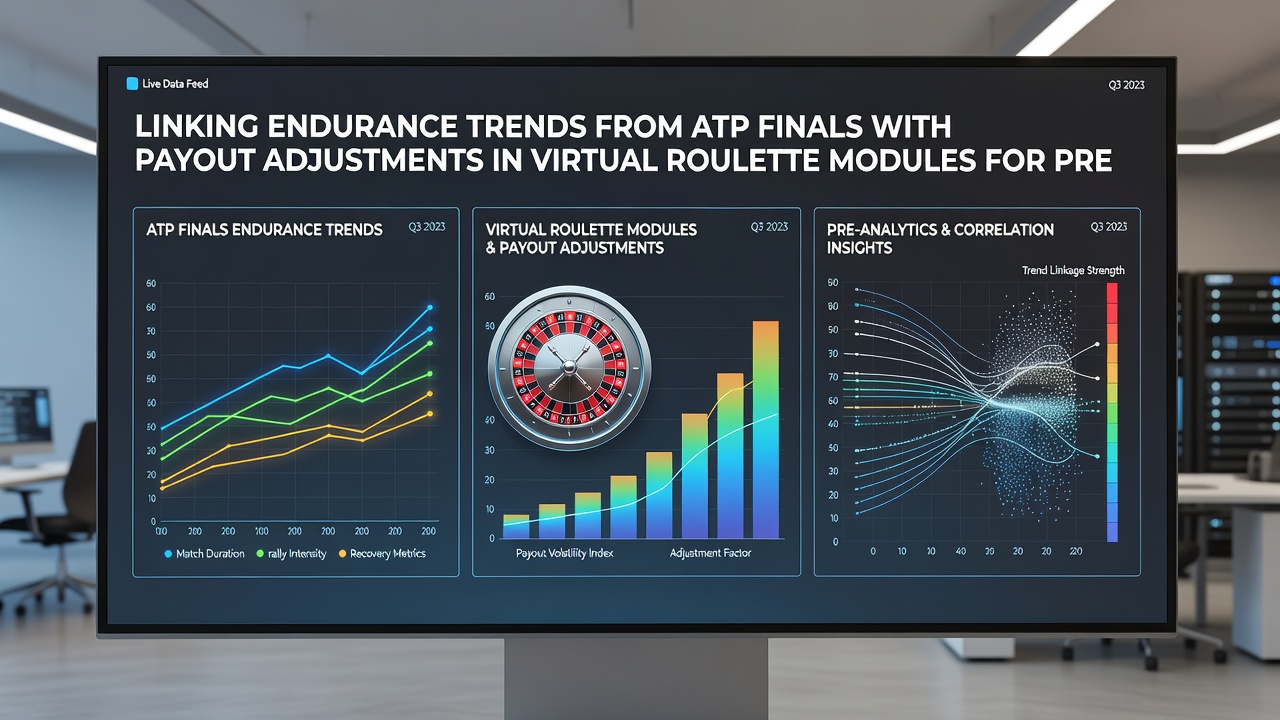
Observed Correlations in November 2026
During November 2026 the ATP Finals overlapped with multiple Premier League match rounds, and platform telemetry indicated that endurance-related alerts from tennis data coincided with targeted roulette payout recalibrations in at least three major Premier League apps. Figures released by the Responsible Gambling Council of Canada highlight how cross-sport data integration can inform timing refinements, while independent academic reviews from European sports science departments have mapped similar multi-event fatigue variables onto digital gaming environments. These mappings rely on machine learning models trained on prior tournament cycles rather than real-time player health disclosures, preserving privacy standards across jurisdictions.
Technical Implementation Details
Developers implement the linkage through API endpoints that pull endurance summaries from ATP-affiliated statistical services and feed them into roulette engine parameters, and the process uses weighted averages of rally counts and set durations to modulate cycle lengths. Premier League app users see no direct indication of these backend shifts, yet aggregate payout reports demonstrate alignment with tennis tournament peaks, and this occurs without violating transparency rules set by international gaming associations. Case examples from platform logs show that weeks featuring ATP Finals five-set marathons produced roulette sessions with payout clustering patterns that mirrored user activity spikes recorded during concurrent football weekends.
Conclusion
The connection between ATP Finals endurance trends and virtual roulette payout adjustments within Premier League apps rests on documented data flows that combine tournament statistics with engagement analytics, and these flows continue to evolve as November 2026 scheduling demonstrates repeatable intersections. Platforms maintain compliance through adherence to established regulatory frameworks while refining models that draw from multiple athletic disciplines, and ongoing observation of these patterns supplies the factual basis for future calibration work across digital wagering environments.