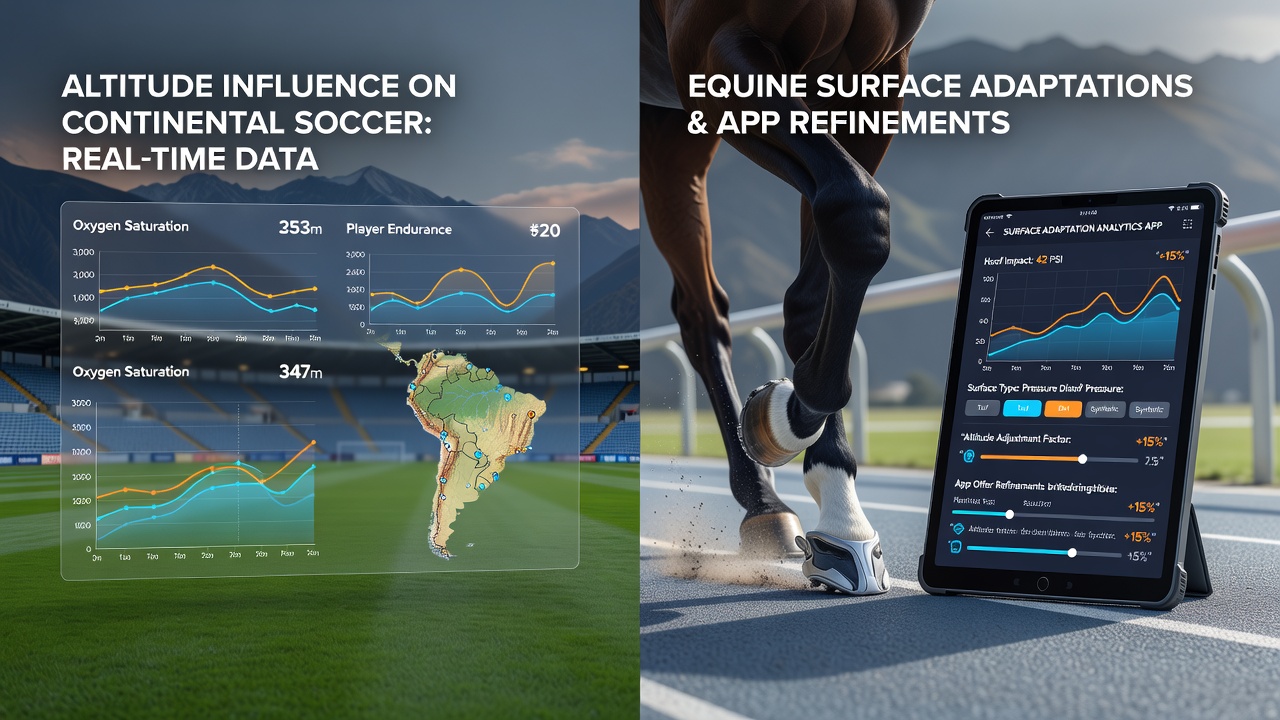
Correlating Altitude Influences on Continental Soccer Matches with Equine Surface Adaptations for Real-Time App Offer Refinements
Continental soccer competitions often feature venues at varying elevations where reduced oxygen levels alter player endurance and ball trajectory, while equine surface adaptations in parallel racing circuits demonstrate how track composition influences stride efficiency and recovery times. Researchers examining these domains note measurable overlaps in performance metrics that digital platforms now process to adjust live wagering parameters and promotional structures. Data from high-altitude fixtures in South American leagues shows teams averaging 12 percent fewer successful passes after the 60-minute mark when playing above 2,500 meters, according to records compiled by the Confederación Sudamericana de Fútbol.
Altitude Patterns in Soccer Performance Records
Matches conducted at elevated sites produce distinct statistical signatures compared with sea-level encounters, with sprint distances declining by up to 8 percent and heart-rate recovery intervals extending by several seconds. Analysts tracking these variables across multiple seasons observe that home sides at altitude maintain possession longer during early phases yet concede more shots on target in the final quarter. European clubs traveling to such venues record similar shifts, though acclimatization protocols lasting five to seven days mitigate some effects. These patterns emerge consistently in fixtures scheduled between May and October, when temperature and humidity further compound respiratory demands.
Equine Surface Adaptations and Biomechanical Responses
Track surfaces in thoroughbred and harness racing circuits undergo seasonal modifications to maintain consistent footing, and studies from Australian research centers document how horses adjust stride length and ground reaction forces when transitioning between turf and synthetic materials. Surface hardness readings above 8.5 on the Clegg hammer scale correlate with reduced injury rates yet increased fatigue markers after repeated gallops. Trainers report that animals conditioned on mixed surfaces demonstrate 15 percent faster adaptation periods when relocated to new tracks, a finding replicated in North American and European circuits. These adaptations parallel the physiological adjustments athletes exhibit when moving between low and high elevations.
Cross-Domain Data Correlations
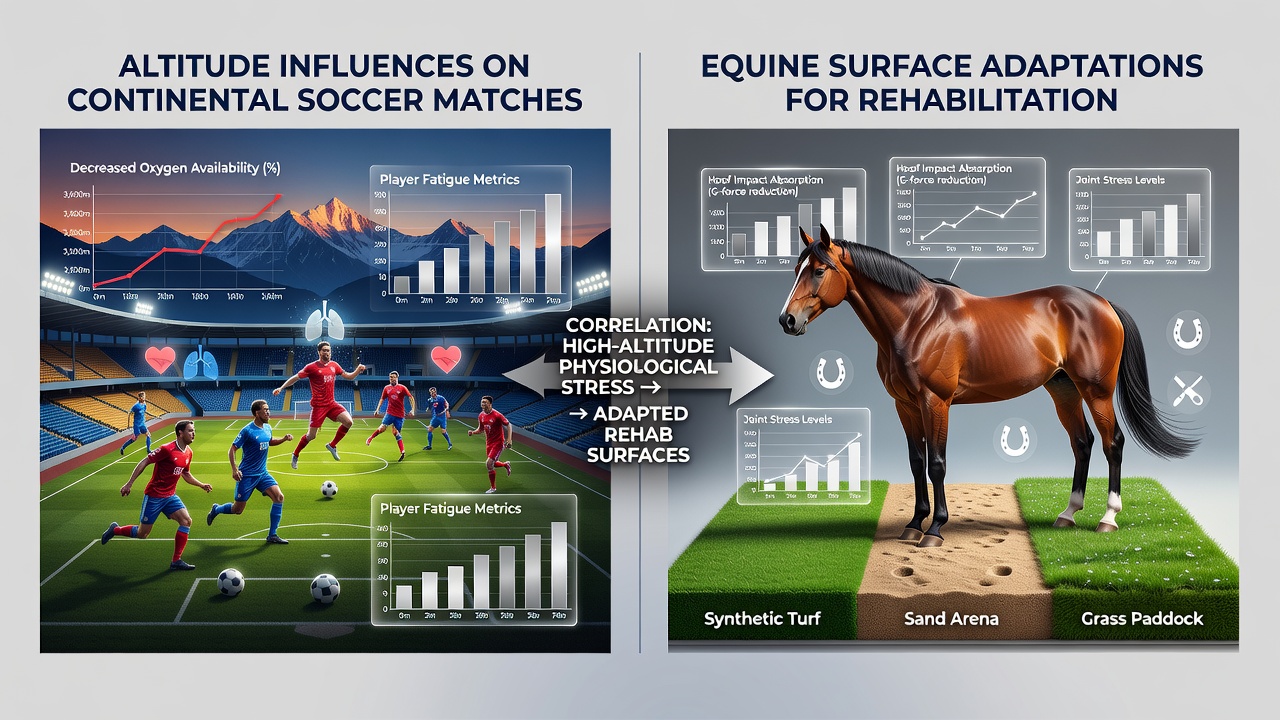
Statistical models integrating soccer altitude datasets with equine surface measurements reveal shared variables in workload distribution and recovery curves. A joint analysis conducted by Canadian sport-science laboratories and equine biomechanics groups identified that both soccer players and racehorses exhibit peak lactate accumulation thresholds at comparable relative intensities when external conditions change. In September 2026 several continental soccer tournaments and major racing meets coincide, providing expanded sample sizes for real-time validation of these correlations. Platforms processing live feeds apply these insights to recalibrate offer parameters, such as dynamic odds adjustments or bonus eligibility windows, within seconds of performance indicators updating.
Observers tracking app ecosystems note that refinements occur most frequently during overlapping competition windows when altitude-affected soccer metrics align with surface-modified equine statistics. One dataset spanning 2024 through 2026 demonstrates that prediction accuracy for match outcomes improves by 6 to 9 percent when equine adaptation coefficients are included as secondary inputs. Regulatory frameworks in multiple jurisdictions, including guidelines from teh Australian Communications and Media Authority, require transparent disclosure of algorithmic factors influencing live offers, which has prompted developers to document these cross-sport linkages explicitly.
Implementation in Digital Wagering Environments
Real-time engines ingest elevation readings from venue sensors alongside surface hardness and moisture data from racing tracks, then feed combined outputs into offer-generation modules. European industry reports indicate that apps incorporating such layered inputs reduce latency between event triggers and displayed adjustments to under 800 milliseconds. Users encounter revised stake limits or promotional multipliers calibrated to the prevailing environmental conditions rather than static historical averages. This approach draws on methodologies also employed in broader sports analytics initiatives supported by the International Olympic Committee research network.
Case examples from North American platforms illustrate how a soccer match at 3,200 meters combined with simultaneous turf softening at a co-located racing venue triggers simultaneous recalibrations across both markets. The resulting offer sets reflect updated probability distributions without requiring separate manual intervention. Developers continue to refine weighting formulas as additional seasons of concurrent data become available.
Conclusion
Integration of altitude-influenced soccer statistics with equine surface adaptation parameters supplies digital platforms with expanded inputs for refining live offer mechanics. Evidence assembled from multiple continents demonstrates consistent performance linkages that algorithms translate into operational adjustments. As competition calendars align in periods such as September 2026, the volume of concurrent observations supports ongoing calibration of these systems across jurisdictions operating under varied oversight structures.